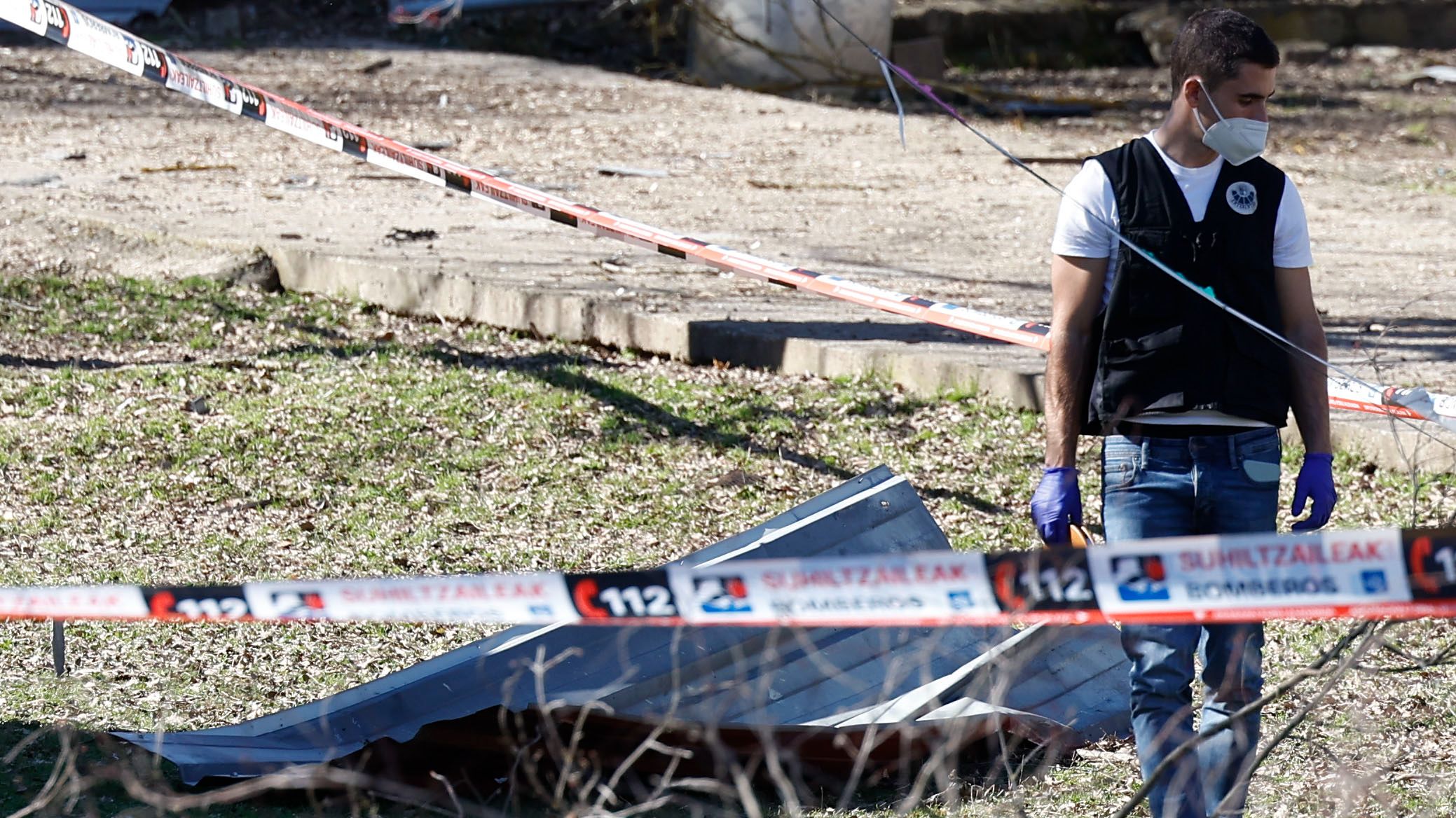
The tranquil morning in the Basque Country was shattered by a devastating incident that cast a somber shadow over the community of Lantarón. On a fateful Monday, a powerful explosion ripped through the facilities of FML, a long-standing pyrotechnics company located in the Álava region. The blast resulted in a tragic loss of life and left another individual fighting for survival, immediately drawing a rapid response from emergency services and sparking widespread concern.
This article delves into the details surrounding the FML Lantarón explosion, exploring what we know about the incident, the company's background, the emergency response, and the broader implications for safety in the pyrotechnics industry. The profound impact of the incident, leaving one person dead and another seriously injured in the Lantarón explosion, underscores the inherent risks associated with manufacturing such volatile materials.
The Fateful Morning: Details of the FML Lantarón Blast
The explosion occurred around 11:10 AM on Monday at the FML pyrotechnics company, situated in the Bergüenda council, within the municipality of Lantarón. This area, approximately 44 kilometers from the regional capital Vitoria, lies close to the border separating Álava and Burgos, and is home to a tightly-knit community.
According to reports from the Ertzaintza (Basque police) and Álava Firefighters, the blast claimed the life of one individual and left another gravely wounded. The injured person, whose identity has not yet been released to the public, was immediately evacuated to Hospital Cruces in Vizcaya. Medical sources indicated that the victim sustained severe burns, affecting at least 60% of their body, highlighting the brutal force and thermal intensity of the explosion.
Crucially, the Mayor of Lantarón, Koldo Salbidea, provided valuable clarification regarding the incident's location within the company grounds. He confirmed to EFE that the explosion took place in a "caseta de labor," or a work shed, rather than in the main warehouse where the bulk of pyrotechnic products are stored. This distinction was vital, as it meant the situation was quickly brought under control, mitigating the risk of a larger, more catastrophic fire or secondary explosions involving stored materials. Authorities were able to cordon off the area swiftly, allowing emergency personnel to secure the site and attend to the casualties without further immediate danger.
The company, known for its production of a variety of pyrotechnic items, operates with a small team comprising the owner and three employees. Fortunately, the explosion did not affect any other workers beyond the two individuals directly involved, a testament to the localized nature of the incident within the work shed.
A Legacy Ignited: FML Pyrotechnics and Its History
FML Lantarón is not just any industrial facility; it represents a deep-rooted tradition and a significant part of local heritage. The company is a family-run business with a remarkable history, having commenced its operations all the way back in 1875. This makes FML one of the oldest pyrotechnics manufacturers in the region, boasting nearly a century and a half of experience in crafting explosive materials.
Over its extensive operational period, FML has specialized in the manufacture of a wide array of pyrotechnic products. These include traditional items such as tracas (firecrackers), cohetes (rockets), antorchas (torches), and bengalas (flares). The production of such materials inherently involves handling highly combustible and potentially dangerous substances, necessitating stringent safety protocols and continuous vigilance. The family's enduring commitment to their craft over generations speaks volumes about their expertise and dedication to the unique industry.
However, the longevity and experience of a company do not negate the ever-present risks. The incident serves as a stark reminder that even with generations of accumulated knowledge and established practices, accidents can happen in industries dealing with volatile substances. The legacy of FML Lantarón is now inextricably linked not only to its historical craft but also to this tragic event, prompting questions and reflections on industrial safety practices.
Emergency Response and the Immediate Aftermath
The alarm was raised swiftly following the blast, triggering an immediate and coordinated response from regional emergency services. Multiple units from the Ertzaintza and Álava Firefighters were dispatched to the scene without delay. Their primary objectives were to secure the area, assess the situation, and provide critical assistance to those affected by the Lantarón explosion that left one dead and one seriously injured.
Upon arrival, emergency personnel cordoned off the entire company premises, establishing a secure perimeter to ensure the safety of both responders and the wider public. Paramedical teams and other assistive resources were also deployed, focusing their efforts on the casualties. The swift evacuation of the seriously injured individual to a specialized hospital underscores the severity of their condition and the urgency of the medical response.
Mayor Salbidea's presence at the scene, offering statements and updates, helped to inform the public and ensure transparency during a critical time. His confirmation that there was no ongoing fire at the facilities provided crucial reassurance, indicating that the immediate danger had subsided and the situation was under control. Investigations into the exact cause of the explosion will undoubtedly follow, involving specialized units to meticulously examine the work shed and reconstruct the events leading up to the tragedy. These investigations are paramount not only for understanding what happened but also for preventing similar incidents in the future.
Ensuring Safety in Pyrotechnics: Lessons and Precautions
The Lantarón explosion serves as a grave reminder of the critical importance of safety protocols in the pyrotechnics industry. While the exact cause of the FML incident is subject to ongoing investigation, such events invariably highlight the need for robust preventative measures and continuous adherence to strict regulations. Here are key aspects of safety that are paramount in this sector:
- Rigorous Training and Certification: All personnel working with pyrotechnic materials must undergo comprehensive training on handling, storage, and emergency procedures. Regular refreshers and certifications are essential to ensure knowledge remains current.
- Strict Material Handling Protocols: Each chemical component and finished product requires specific handling instructions. Segregation of incompatible materials, controlled quantities in work areas, and proper grounding to prevent static electricity build-up are crucial.
- State-of-the-Art Facilities and Equipment: Production facilities must be designed with safety in mind, incorporating features like blast-resistant structures, ventilation systems, and fire suppression technologies. Equipment should be regularly inspected and maintained to prevent malfunctions.
- Personal Protective Equipment (PPE): Workers must use appropriate PPE, including fire-resistant clothing, eye protection, and specialized gloves, to minimize exposure to hazards.
- Emergency Preparedness: Companies must have detailed emergency plans, including evacuation routes, first-aid stations, and direct lines of communication with local emergency services. Regular drills help ensure everyone knows how to react effectively.
- Continuous Risk Assessment: A proactive approach to safety involves constant identification and assessment of potential hazards, followed by implementing measures to mitigate those risks. This includes reviewing procedures, materials, and environmental factors.
- Regulatory Compliance: Adherence to national and international safety standards and regulations for pyrotechnic manufacturing is non-negotiable. Regulatory bodies play a vital role in setting these standards and conducting inspections.
The incident at FML Lantarón, particularly with one worker in critical condition after the Lantarón pyrotechnics blast, underscores that even in well-established companies, a single misstep or unforeseen circumstance can have catastrophic consequences. Learning from these tragedies is essential to reinforce safety culture across the entire industry.
Conclusion
The explosion at FML Lantarón has sent shockwaves through the local community and the pyrotechnics industry. While investigations are ongoing to determine the precise cause of this tragic event, the focus remains on supporting the victims and their families, and ensuring that all possible lessons are learned to prevent future occurrences. The incident serves as a powerful reminder of the inherent dangers in manufacturing pyrotechnic materials and the unwavering importance of stringent safety protocols, continuous training, and robust emergency preparedness in safeguarding lives within this specialized sector. The community of Lantarón now faces the task of healing and supporting those affected, while the industry must reflect on how to further enhance safety for its dedicated workforce.