The Fateful Morning: Tragedy Strikes FML Pyrotechnics in Lantarón
The peaceful, rural landscape of Álava was abruptly shattered on a Monday morning when a powerful explosion ripped through a long-standing pyrotechnics company in Lantarón. At precisely 11:10 AM, an incident at FML, a family-owned business deeply rooted in the concejo of Bergüenda, irrevocably altered lives and sent shockwaves through the community. This devastating event resulted in one fatality and left another worker fighting for their life, critically injured. The immediate aftermath saw a rapid deployment of emergency services, highlighting the gravity of the situation. The blast occurred at FML, a company situated approximately 44 kilometers from Vitoria, near the border between Álava and Burgos. This venerable enterprise, with a history stretching back to 1875, specializes in the production of a diverse range of pyrotechnic materials, including firecrackers, rockets, torches, and flares. While the company's tradition is long and its products often associated with celebration, the inherent risks of working with volatile materials were tragically underscored on this day. The incident has drawn significant public attention, with many searching for information on the **heridos explosión Lantarón** – the wounded in the Lantarón explosion – eager for updates on the victims and the unfolding investigation. For a detailed account of the immediate aftermath, you can read more here: Lantarón Explosion: One Dead, One Seriously Injured at FML Pyrotechnics.Casualties and Critical Condition
The human cost of the Lantarón explosion is profound. Sources from the Ertzaintza and Álava Firefighters confirmed that one individual succumbed to their injuries on-site. Another worker sustained severe burns, reportedly affecting at least 60% of their body. This critically injured individual was rushed by emergency services to Cruces Hospital in Vizcaya, a facility renowned for its specialized burn unit, where they are currently receiving intensive medical care. The identity of the victims has not been publicly released, respecting the privacy of those affected and their families during this incredibly difficult time. Mayor Koldo Salbidea of Lantarón, who promptly arrived at the scene, offered crucial insights into the nature of the blast. He clarified that the explosion originated in a small work shed within the company's premises, rather than in the main storage facility where the bulk of pyrotechnic products are kept. This distinction is significant, as it suggests the potential for a far larger, more catastrophic event was narrowly avoided. The Mayor also confirmed that there was no ongoing fire within the facilities, a relief amidst the tragedy, indicating that the situation, while devastating, was contained by the swift action of emergency responders.Emergency Response and Community Impact in Álava
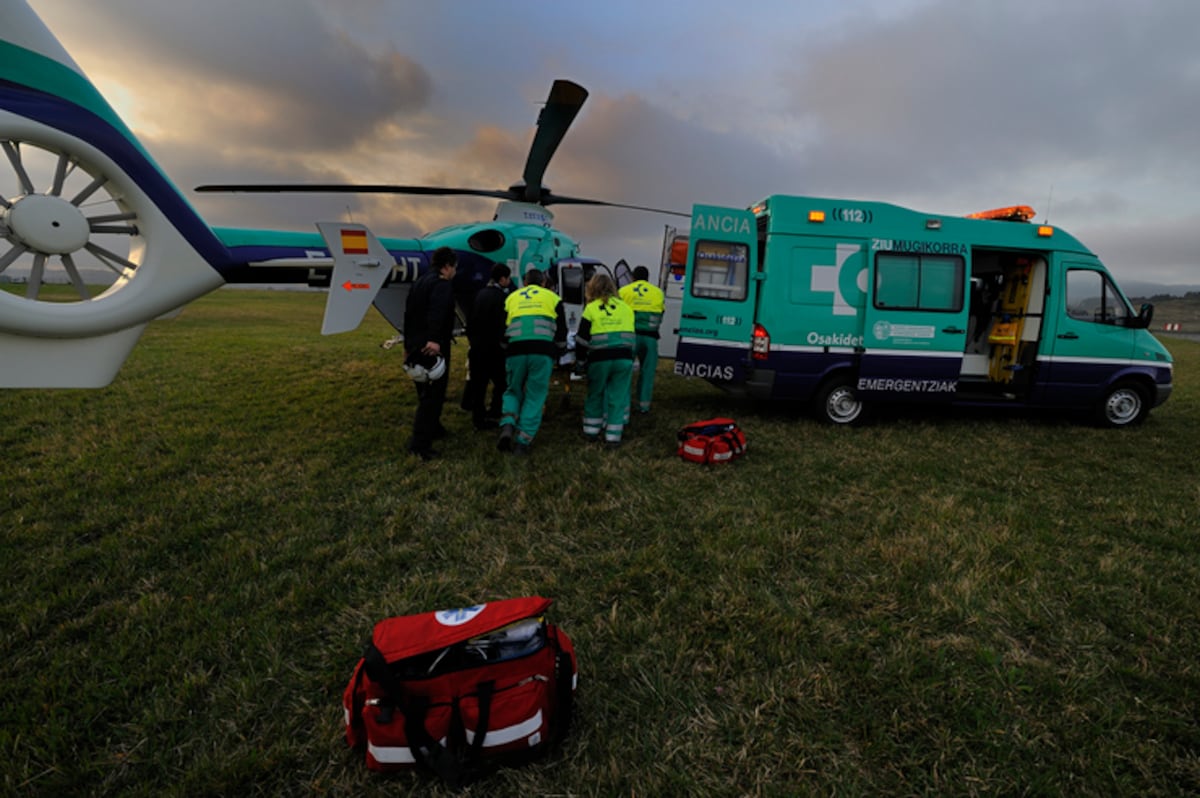
The response to the Lantarón explosion was immediate and comprehensive. Upon receiving reports of the incident, units from the Ertzaintza (the Basque Country police force) quickly converged on FML Pyrotechnics, establishing a secure cordon around the entire facility. This critical action ensured the safety of the public and allowed emergency personnel unhindered access to the site. Alongside the police, several detachments of Álava Firefighters were deployed, ready to tackle any potential blazes, though fortunately, no major fire erupted following the initial blast. Medical assistance was also a top priority, with numerous ambulances and healthcare resources arriving to provide urgent care to the injured worker before their rapid evacuation. The coordination between these various emergency services – police, firefighters, and medical teams – was pivotal in managing the immediate crisis, securing the area, and ensuring the injured received prompt attention.A Community in Shock
The impact on the local community of Lantarón, and particularly the small concejo of Bergüenda, cannot be overstated. FML is not just a business; it's a multi-generational, family-run enterprise that has been an integral part of the local fabric since 1875. In a small community, such an incident affects everyone. The company reportedly employs four people – the owner and three employees – highlighting the close-knit nature of the workplace. The tragic loss of life and the severe injuries sustained by a colleague undoubtedly cast a long shadow over the remaining staff and the broader community, many of whom would know the victims personally. Mayor Salbidea's presence on-site underscored the municipal government's concern and support for those affected. His updates, confirming the contained nature of the explosion and the absence of a wider blaze, aimed to reassure residents even as they grappled with the news of the casualties. Such incidents often leave communities reeling, prompting reflection on industrial safety and the welfare of workers in high-risk professions.Understanding Pyrotechnics Safety: A High-Risk Industry
The manufacturing of pyrotechnic materials is an inherently dangerous undertaking, demanding the utmost care, stringent safety protocols, and constant vigilance. The Lantarón explosion serves as a stark reminder of the volatile nature of the substances involved and the catastrophic consequences that can arise from even a momentary lapse or unforeseen incident. Pyrotechnic facilities operate under strict regulations designed to mitigate risks. These typically include:- Segregated Work Areas: Operations involving different stages of production, especially those with highly reactive materials, are often carried out in separate, reinforced sheds or bunkers to contain potential blasts. The fact that the Lantarón explosion occurred in a work shed, rather than a larger storage depot, likely prevented a more widespread disaster.
- Limited Occupancy: Only essential personnel are allowed in specific zones, and often, only one person works on certain high-risk tasks at a time, minimizing casualties in case of an incident.
- Static Electricity Control: Measures to prevent static electricity build-up, a common ignition source for powders, are critical.
- Temperature and Humidity Control: Storing and handling materials under controlled environmental conditions is crucial to prevent spontaneous reactions.
- Emergency Shutdown Systems: Mechanisms to quickly halt operations and evacuate personnel.
Lessons Learned and Future Safety Measures
Tragedies like the Lantarón explosion underscore the critical importance of continuous improvement in industrial safety across all sectors, especially those involving hazardous materials. While the investigation is ongoing, several key areas for reflection and action emerge:Prioritizing Industrial Safety:
- Comprehensive Risk Assessments: Regular and thorough evaluations of all potential hazards, from material handling to equipment operation, are paramount. These assessments must be dynamic, adapting to new processes or materials.
- Rigorous Training and Certification: All employees, especially those working directly with dangerous substances, must receive extensive and recurrent training on safety protocols, emergency procedures, and the specific risks associated with their tasks. Certification should be mandatory.
- Regular Safety Audits: Independent external audits, alongside internal checks, ensure compliance with national and international safety standards. These should include checks on equipment maintenance, storage practices, and emergency response readiness.
- Investment in Technology: Utilizing advanced safety technologies, such as automated handling systems to minimize human exposure, enhanced ventilation, and robust fire suppression systems, can significantly reduce risks.
- Clear Communication and Safety Culture: Fostering an environment where employees feel empowered to report potential hazards without fear of reprisal is crucial. Safety should be a core value, not merely a compliance issue.
Support for Victims and Their Families:
Beyond the immediate medical response, robust support systems for victims and their families are essential. This includes long-term medical care for critically injured individuals, psychological counseling for all affected workers and their families, and financial assistance to cover lost wages and rehabilitation costs. The trauma of such an event can have lasting effects, and comprehensive support is vital for recovery.
Regulatory Oversight and Enforcement:
Government agencies responsible for occupational safety must ensure that regulations are not only comprehensive but also rigorously enforced. Regular inspections, coupled with severe penalties for non-compliance, act as powerful deterrents. Furthermore, sharing lessons learned from incidents like the Lantarón explosion across the industry can help prevent recurrence.